
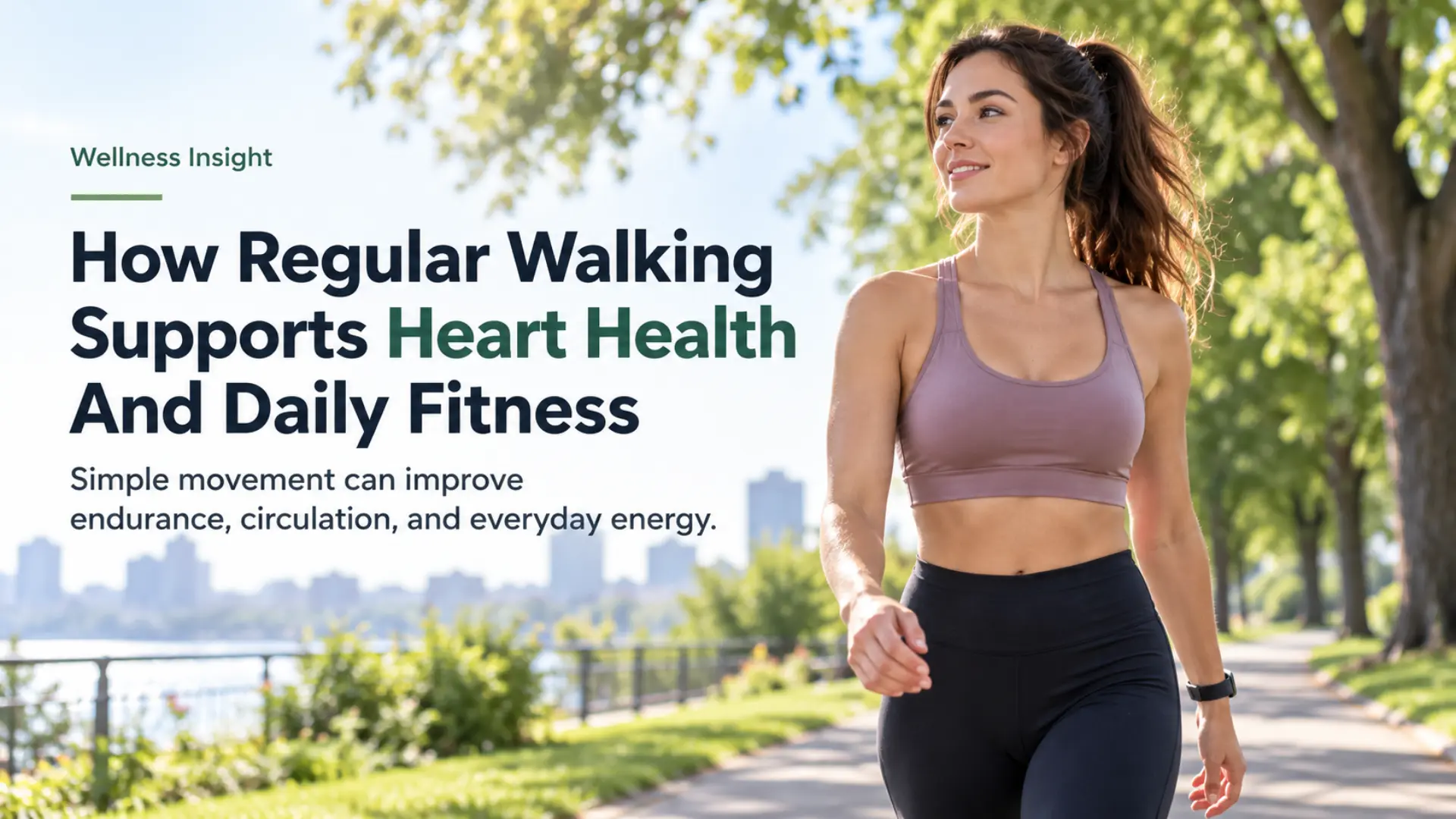
Walking is one of the most accessible ways to add physical activity to daily life. It requires little equipment, can be performed in many environments, and can be adjusted to suit different fitness levels. When done regularly, walking contributes to aerobic activity that supports cardiovascular health. It also provides opportunities to spend time outdoors, take breaks from prolonged sitting, and establish a consistent movement routine. The intensity and duration of each walk can vary according to personal circumstances. What matters most is selecting an approach that can be maintained safely over time.
Although walking is a familiar activity, its health effects depend on factors such as pace, duration, frequency, and a person’s starting fitness level. A comfortable stroll still involves physical movement, while a brisk walk may produce enough effort to count as moderate-intensity aerobic exercise. Walking should not be treated as a cure for heart disease or other medical conditions. Instead, it can form part of a broader lifestyle that includes balanced nutrition, sufficient sleep, and other physical activities. Understanding its practical benefits can help people set realistic expectations about how walking contributes to overall fitness.
How Walking Affects Cardiovascular Health
The cardiovascular system includes the heart and blood vessels, which work together to transport oxygen and nutrients throughout the body. During walking, the heart pumps blood to supply active muscles with the oxygen they need. As walking intensity increases, breathing and heart rate generally rise to meet the additional demand. Repeated aerobic activity can improve cardiovascular endurance and help the body perform physical tasks more efficiently. Regular physical activity is also associated with a lower risk of cardiovascular disease and can contribute to healthier blood pressure. These benefits develop through consistent participation rather than a single exercise session.
Walking intensity plays an important role in determining the amount of cardiovascular effort involved. Moderate-intensity walking typically causes noticeable increases in breathing and heart rate while still allowing conversation. This is often described as the talk test, a practical method for estimating exercise intensity without specialized equipment. A slower pace may be appropriate for beginners, individuals returning to exercise, or people with certain physical limitations. As endurance improves, some individuals may gradually increase their walking speed or duration. The appropriate intensity should reflect personal fitness, comfort, and medical considerations rather than competition with others.
The Relationship Between Walking And Blood Sugar Regulation
Physical activity influences how the body uses glucose, which serves as an important energy source for cells. During walking, working muscles use energy, and muscle contractions help stimulate glucose uptake from the bloodstream. Research suggests that walking after meals can reduce post-meal increases in blood glucose in some individuals. The extent of this effect depends on several factors, including walking duration, meal composition, metabolic health, and exercise intensity. Regular physical activity also contributes to insulin sensitivity, which influences how effectively the body responds to insulin. These effects help explain why movement is commonly included in lifestyle recommendations for metabolic health.
Short walks following meals may be a practical option for people who spend much of their day sitting. A gentle walk after lunch or dinner can introduce additional movement without requiring a separate, lengthy exercise session. However, walking does not eliminate the importance of dietary quality, adequate sleep, or appropriate medical treatment. People who use glucose-lowering medications may need individualized advice because exercise can influence blood sugar levels. The timing and intensity of activity should be adapted to personal needs and existing health conditions. A consistent approach that combines suitable activity with appropriate nutrition is generally more useful than expecting immediate results from occasional exercise.
Meeting Weekly Physical Activity Recommendations
International physical activity guidelines provide a useful framework for understanding how much movement adults should aim to achieve. The World Health Organization recommends 150 to 300 minutes of moderate-intensity aerobic activity per week for adults, or an equivalent amount of vigorous activity. Brisk walking can contribute toward this target when it produces moderate physical effort. For example, walking briskly for 30 minutes on five days each week adds up to 150 minutes of activity. Individuals who cannot initially reach this level can begin with shorter sessions and gradually increase their activity. Performing some physical activity is generally better than remaining completely inactive.
Weekly activity does not need to follow a rigid schedule to provide health benefits. Some people prefer a continuous walk, while others find several shorter walking sessions more practical. Walking during a work break, using stairs when appropriate, or walking part of a routine journey can increase overall movement. The intensity of each activity determines whether it counts toward moderate-intensity exercise recommendations, but lighter movement can still help reduce sedentary time. Adults are also advised to perform muscle-strengthening activities involving major muscle groups on at least two days per week. Combining walking with suitable strengthening exercises can support a broader range of physical fitness needs.
Walking Safety, Posture, And Gradual Progression
Walking is generally a low-impact activity, but comfort and safety still depend on individual physical circumstances. Wearing footwear that fits properly and provides sufficient comfort can help reduce irritation during longer walks. An upright but relaxed posture, natural arm movement, and a comfortable stride can make walking feel more manageable. People who are not accustomed to regular exercise may benefit from starting on relatively even surfaces before attempting more demanding routes. Walking duration and pace should increase gradually to allow the body to adapt to additional activity. Sudden increases in distance or intensity may contribute to unnecessary discomfort, especially for individuals with limited recent exercise experience.
Environmental conditions also influence walking safety and comfort. Hot or humid weather can increase heat stress, while slippery or uneven surfaces may raise the risk of falls. Appropriate hydration, suitable clothing, and awareness of traffic or other surroundings are important practical considerations. Individuals with joint conditions, balance difficulties, or cardiovascular concerns may require modifications to their walking routines. Chest pain, severe breathlessness, dizziness, or other concerning symptoms during activity should not be ignored and may require prompt medical assessment. Choosing suitable conditions and respecting physical limitations can make regular walking more sustainable.
Combining Walking With Strength Training And Recovery
Walking contributes to aerobic fitness, but a comprehensive physical activity routine should also consider muscular strength, mobility, and recovery. Strengthening exercises help maintain muscle function and support activities such as climbing stairs, lifting objects, and rising from a seated position. Bodyweight movements, resistance bands, and appropriately selected weights are possible methods of strength training. Walking and strength exercises can be scheduled on the same day or on different days according to individual preference and tolerance. Balance and mobility activities may provide additional value, particularly for older adults. Combining several types of movement can help address fitness needs that walking alone may not fully meet.
Recovery is another important factor when establishing a regular exercise routine. The body requires adequate nutrition, fluid intake, and sleep to support normal physiological functions following activity. Most adults need at least seven hours of sleep per night, although individual needs vary. Light walking may be comfortable on days without demanding exercise, but persistent pain or unusual fatigue can indicate a need to adjust activity. People with chronic health conditions should consider professional guidance when developing or changing an exercise program. A sustainable fitness routine balances movement with sufficient recovery instead of continually increasing physical demands.
Building A Walking Habit That Lasts
Consistency often becomes easier when walking is connected to an established daily routine. Taking a short walk after breakfast, during a break, or in the early evening can create a predictable opportunity for movement. Choosing a convenient route may reduce practical barriers such as limited time or complicated travel arrangements. Some individuals find that keeping a simple record of walking duration or frequency helps them recognize patterns. Progress can also be evaluated through improvements in walking comfort, endurance, and the ability to complete everyday activities. These measures offer a broader perspective than focusing only on steps or estimated calorie expenditure.
Long-term walking habits benefit from flexibility because schedules, physical abilities, and environmental conditions change. Missing an occasional session does not eliminate the benefits of previous activity, and returning to a manageable routine is usually more practical than compensating with excessive exercise. On busy days, shorter walks can provide opportunities for movement without demanding major schedule changes. Walking with others may also make the activity more enjoyable for people who value social interaction. Over time, regular walking can become one component of a balanced lifestyle that supports cardiovascular fitness, physical function, and general well-being. The most appropriate routine is one that matches individual capabilities, follows relevant health guidance, and remains practical in everyday life.